TLDR
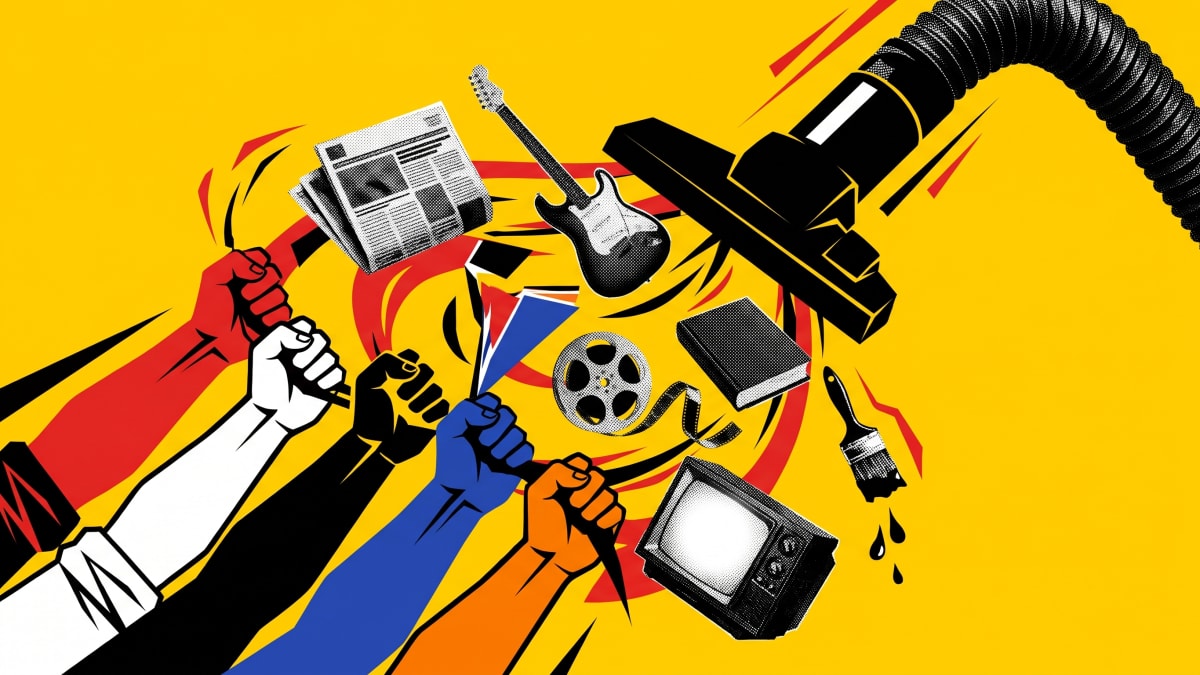
YouTube will reduce Shorts feed distribution for channels that repost other creators' clips without adding original commentary, analysis or storytelling. Voice-overs describing on-screen action and template-based bulk edits do not count as original under the new standard. Australian brands and agencies running compilation-based Shorts campaigns face an unscheduled distribution drop with no confirmed enforcement date.
KEY TAKEAWAYS
What YouTube changed and what stayed the same
YouTube announced on 1 October 2026 that its Shorts recommendation system will prioritise original work and pull back reach from reposts. The company said in its official support post that channels identified as primarily aggregating or re-uploading other creators' videos without significant changes will likely see less distribution within the Shorts feed.[1] The word "likely" is doing real work there. This is an algorithmic demotion, not a ban.
YouTube creator liaison Rene Ritchie spelled out what falls short of the originality bar in a Creator Insider video published the same day. Ritchie said the updated standard excludes "not just VO descriptions of what's happening on screen, minor technical edits, or template-based bulk changes" and that what counts is original commentary, analysis or storytelling added by the creator.[2] A voiceover reading the caption back at you does not clear the bar.
This update sits on top of a layer that already existed. YouTube updated its channel monetisation policies on 15 July 2025 to cover what it then labelled reused content without substantive additions, meaning channels repurposing existing material could already be demonetised.[3] The October 2026 change adds a distribution penalty on top of the revenue penalty, so channels already demonetised for reusing clips now face a second hit to their reach.
No specific rollout date or enforcement timing was provided in the announcement.[1] YouTube said channels that shift to original work will have their reach re-evaluated, but gave no timeline for that reassessment.
Australian exposure: brands, sport clips and agency buys
Australian brands, sports publishers and podcast producers have built a common playbook around Shorts: clip a highlight from broadcast TV, a live sport moment or a panel discussion, drop it into a vertical format and buy reach through compilation channels. YouTube's updated recommendation system now explicitly targets channels that aggregate or repost clips without adding anything original, reducing their distribution in the Shorts feed.[1]
The absent rollout date compounds the exposure. A media buyer with a Shorts campaign running through a compilation channel today cannot price in when the distribution cut will arrive; it could land mid-campaign, after the budget has already been committed.
Instagram made a parallel originality push in April 2026, applying the same principle to Reels: original work gets prioritised, reposts get suppressed. Two platforms, the same standard, arriving within six months of each other. Any agency still advising clients that compilation Shorts are a viable reach strategy is working from an outdated brief.
For agencies and in-house teams, the practical adjustment is straightforward to describe and harder to execute. Shorts built around a host's commentary, a producer's analysis or a creator's distinct point of view sit inside the updated rules. Clips reformatted with a logo and a caption do not. The gap between those two formats is the gap between a person's time and a template, and YouTube is now pricing that difference into distribution.
SOURCES & CITATIONS
FREQUENTLY ASKED QUESTIONS
Does this mean YouTube is banning reposted clips from Shorts?
What counts as original content under YouTube's new standard?
When does the reach reduction take effect?
Is this related to YouTube's monetisation rules?
James Dore is founder and editor of Prompt the Market and Strategy Director at Bushnote, a Sydney strategy, SEO and AI search agency. He has a background in strategy, media and financial services, and led consumer product marketing at MONEYME. He writes on AI search, answer engines, technology policy and media economics.