
TLDR
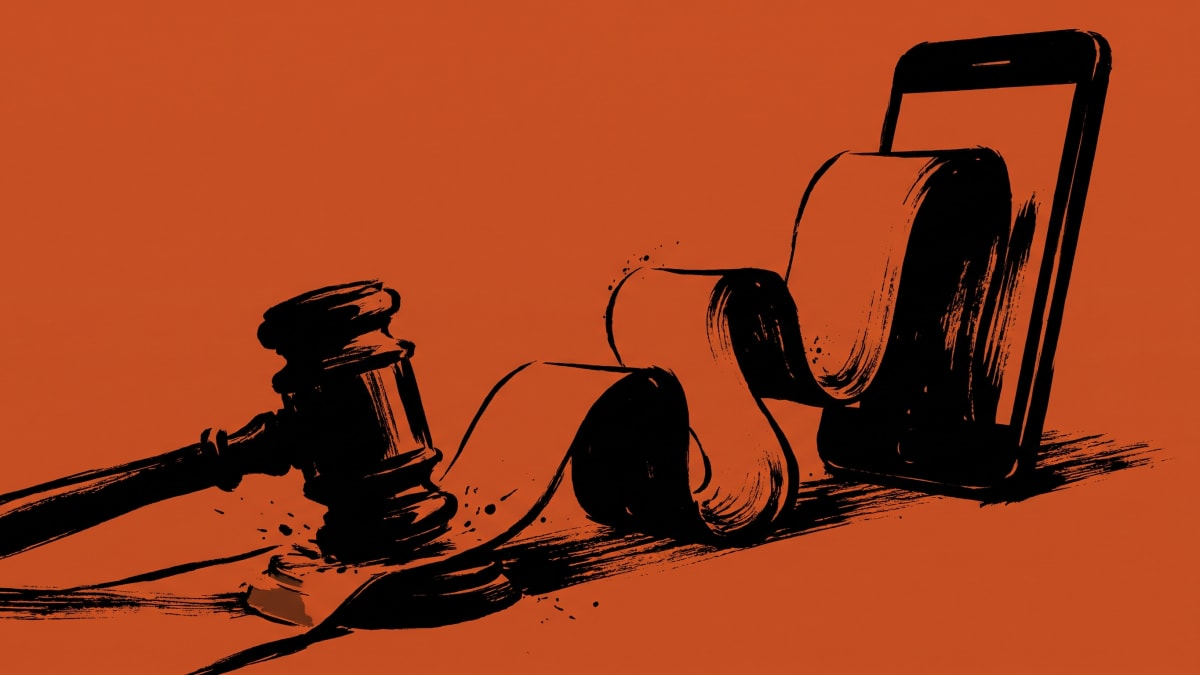
Labor struck a deal with the Greens on 24 November 2026 to pass the Digital Duty of Care bill, giving Australians the right to sue social media platforms directly for harm. Maximum fines can reach 5% of global revenue, well beyond the $109.2 million first proposed. The platforms absorbing the largest share of Australian digital ad budgets will carry legal liability for how their feeds are designed.
KEY TAKEAWAYS
The deal and what it does
Labor struck a deal with the Greens on 24 November 2026 to pass the Digital Duty of Care bill through the Senate, giving Australians the right to sue digital platforms directly for breaches of a legal duty to keep them safe online.[1] The bill as introduced set penalties of up to $109.2 million.[2] Under the deal, fines can reach 5% of global revenue, which the Sydney Morning Herald calculated could exceed US$10 billion per breach for Meta.[6]
Communications Minister Anika Wells said the government does not expect the courts to fill with cases. "We imagine that usage of the private right of action will remain fairly rare," Wells said.[1] She added that where such cases have played out overseas, courts have not awarded the maximum penalty.[1] Greens communications spokeswoman Sarah Hanson-Young was blunter: “Big tech has a choice now, work to make your platform safer, work with parents to be able to make the engagement online with their kids safer. Or we’ll see you in court.”[5]
What platforms must now change
Australians over 16 will be able to choose whether recommended content is their primary feed or the pages and people they follow.[2] The bill also sets minimum safety standards for games, apps and artificial intelligence chatbots, and requires platforms to reduce harms before they occur rather than respond after the fact.[2]
Professional news material and entertainment media are exempt,[2] and Wells said on Monday that small businesses would be too.[3] The Coalition has opposed the bill since September, saying it has inadequate safeguards for free speech and journalism.[4] The United States warned that the law would lead to censorship of lawful speech, AP reported.[7]
What Australian marketers are watching
For marketers, the platforms that take most digital ad budgets will be legally responsible for how their feeds are designed. Addictive tools such as endless scrolling become a specific risk that platforms must assess and report to eSafety.[1] The duty covers AI chatbots, search engines and apps as well as social media.[6]
Wells said that once the bill passes it will have a 12-month transition, as the social media minimum age law did.[1]
SOURCES & CITATIONS
- Press conference: Anika Wells, Parliament House, 24 November 2026
- Digital Duty of Care: next step in Australia's world-leading reforms (media release)
- Doorstop: Anika Wells, Parliament House, Canberra
- Coalition opposes Labor's Digital Duty of Care bill in its current form
- Australians to gain right to sue social media giants under Labor-Greens deal, ABC News
- Tech giants to face billion-dollar fines for breaching Labor's digital duty of care laws, Sydney Morning Herald
- Australia set to pass a digital duty of care law, AP
FREQUENTLY ASKED QUESTIONS
Who can use the new private right of action?
Which platforms does the Digital Duty of Care bill cover?
How does the new penalty compare with what came before?
James Dore is founder and editor of Prompt the Market and Strategy Director at Bushnote, a Sydney strategy, SEO and AI search agency. He has a background in strategy, media and financial services, and led consumer product marketing at MONEYME. He writes on AI search, answer engines, technology policy and media economics.